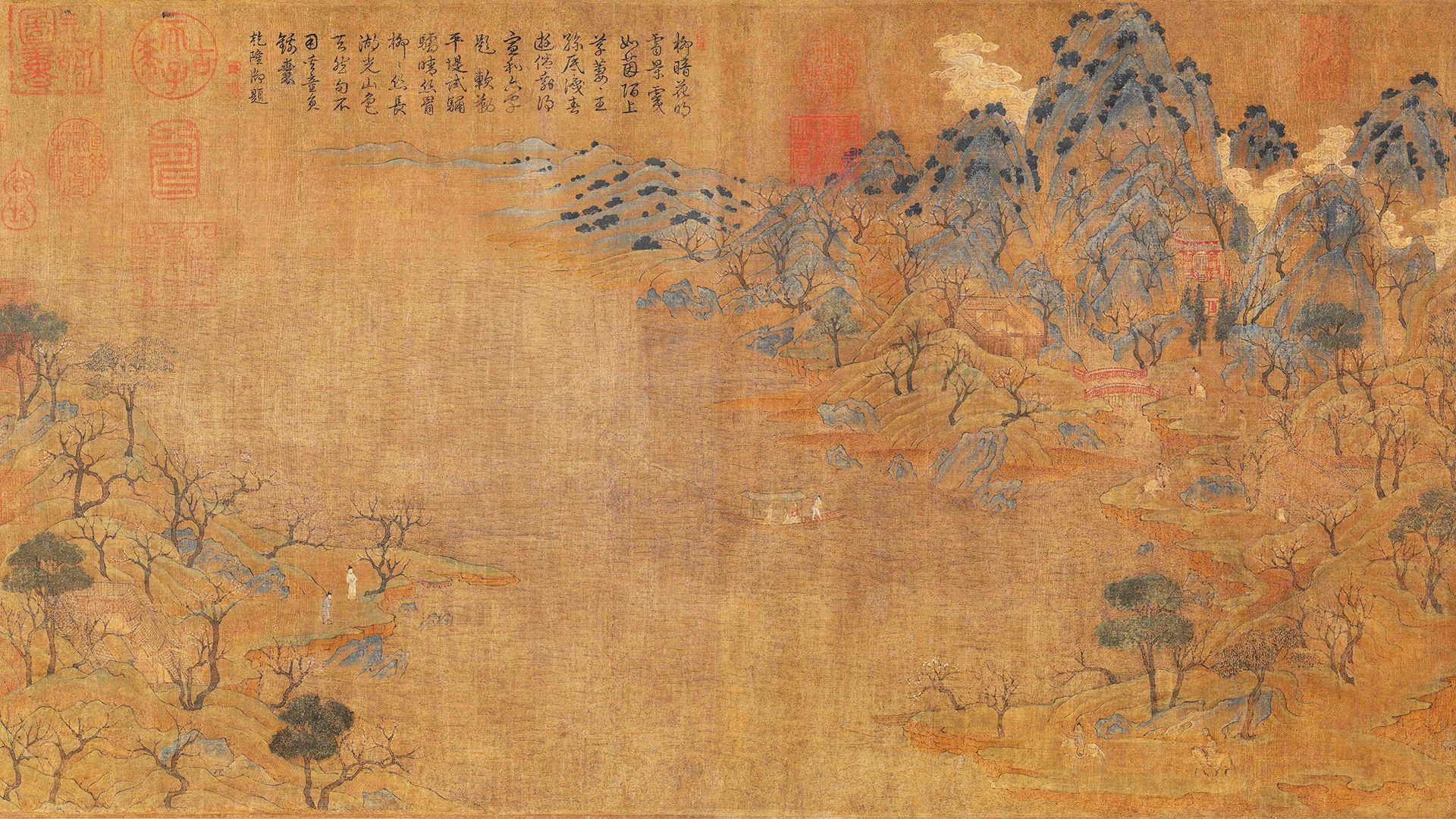
Zhan Ziqian
Introduction
Zhan Ziqian was an eminent Chinese painter during the Sui Dynasty. Known for his significant contribution to early Chinese landscape painting, Zhan's works primarily focused on the depiction of nature and human interaction with the environment, capturing the essence of the spring season. His notable work Spring Outing is often cited as a pioneering piece in the landscape genre, illustrating the harmony between humans and nature which became a foundational theme in Chinese painting. Zhan's use of color and attention to detail set a precedent in the portrayal of natural landscapes, influencing subsequent generations of artists in China. Though much about his life remains shrouded in mystery, his artistic legacy is celebrated for its lasting impact on the development of Chinese art.
Early Life
Little is documented about the early life of Zhan Ziqian, as historical records from the Sui Dynasty are sparse. However, it is believed that he was born into a well-educated family, which provided him with exposure to the arts from a young age. This early immersion in cultural and artistic activities likely influenced his decision to pursue painting professionally. During the Sui Dynasty, a period marked by the reunification of China under a single ruling dynasty, there was a resurgence in cultural and artistic pursuits. It was within this vibrant cultural milieu that Zhan Ziqian honed his skills, developing a style that would earn him recognition as one of the earliest masters of Chinese landscape painting. His unique approach combined traditional ink painting techniques with subtle color applications, allowing him to capture the dynamic beauty of nature.
Artistic Career
His work Spring Outing is often regarded as a seminal piece, exemplifying the emerging landscape genre of the time. This painting, attributed to Zhan Ziqian, depicts villagers enjoying the outdoors during spring, a subject that has resonated through centuries as a classic representation of Chinese landscape art. It is characterized by the integration of human figures within a natural setting, a technique that later became a hallmark of Chinese landscape paintings. Zhan's artistry is noted for its meticulous brushwork and harmony of composition, effectively conveying the serenity and rebirth associated with the spring season.
Notable Works
Spring Outing stands as Zhan Ziqian's most renowned work, illustrating the early development of landscape painting in China. This painting captures the leisurely activities of people amidst lush spring scenery, reflecting both the vitality of the season and the joy of life. It is celebrated for its innovative use of color and composition, which created a harmonious balance between the figures and their natural surroundings. Zhan's ability to depict such scenes with a sense of immediacy and vitality was groundbreaking, establishing a new standard for landscape painting that would influence countless artists in the centuries to follow.
Artistic Style
Zhan Ziqian's artistic style is characterized by his pioneering techniques in color application and composition. He balanced traditional ink painting methods with vibrant mineral pigments, which was innovative for his time and contributed to the lush, vivid depictions of natural landscapes. His use of perspective and spatial arrangement was sophisticated, allowing viewers to feel immersed in the scenes he painted. Zhan's work often featured a sense of harmony between humans and the natural world, a theme that became central to Chinese landscape art. His approach laid the groundwork for the lyrical, expressive style that defined later periods of Chinese painting, such as the Tang (618-907) and Song (960-1279) Dynasties.
Historical Influence
Zhan Ziqian's contributions to the evolution of Chinese landscape painting are significant, marking a departure from earlier artistic conventions that focused predominantly on figures and narratives. His work introduced the landscape as a subject worthy of artistic exploration in its own right. By emphasizing the beauty of natural scenes and human interaction within these landscapes, Zhan helped to establish a tradition that would dominate Chinese art for centuries. Zhan's innovative techniques and thematic focus contributed to the broader cultural appreciation of nature, which remains a central tenet of Chinese aesthetics.








